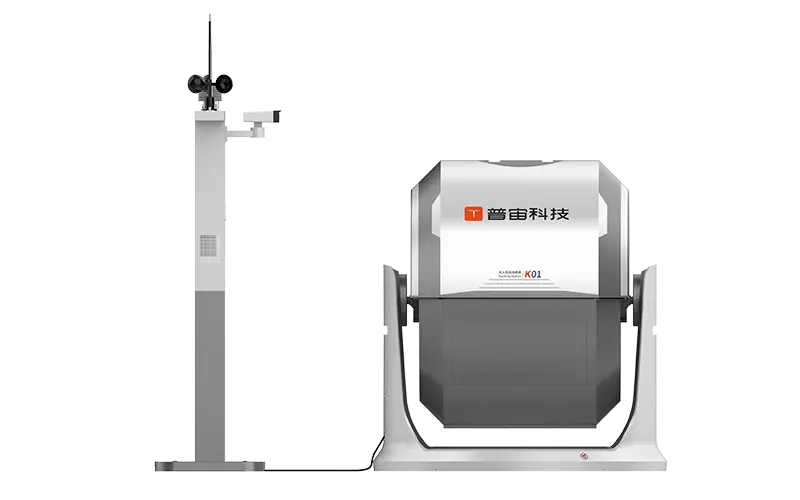
 GDU
GDU
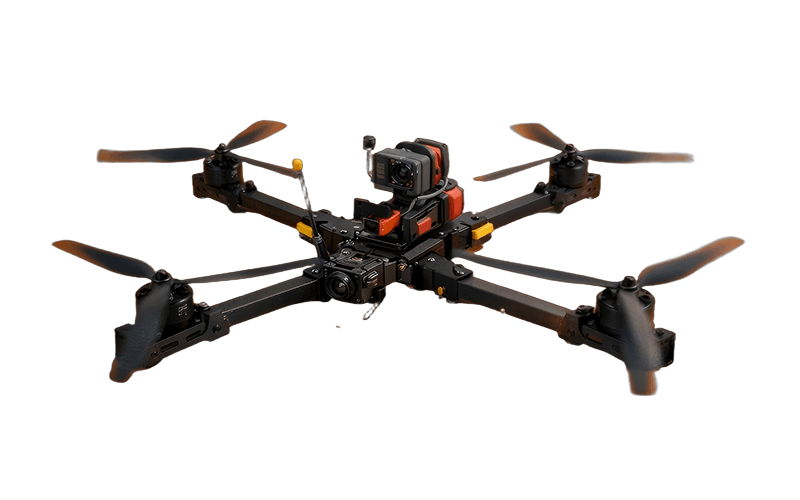 UUUFLY
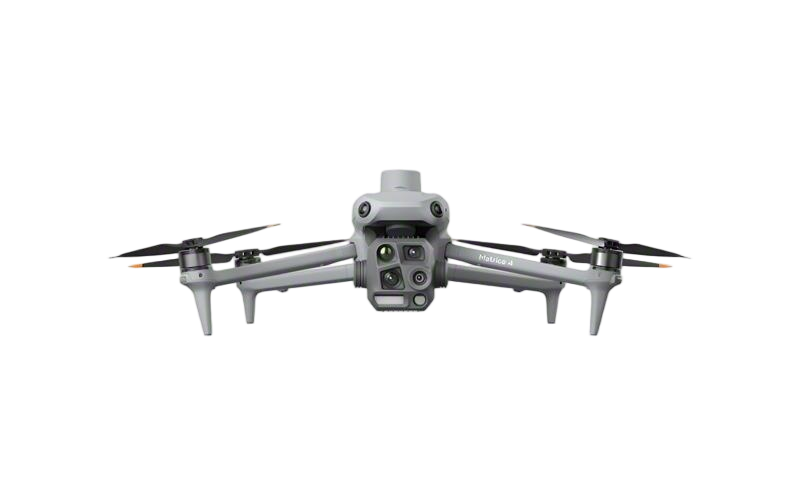 DJI
DJI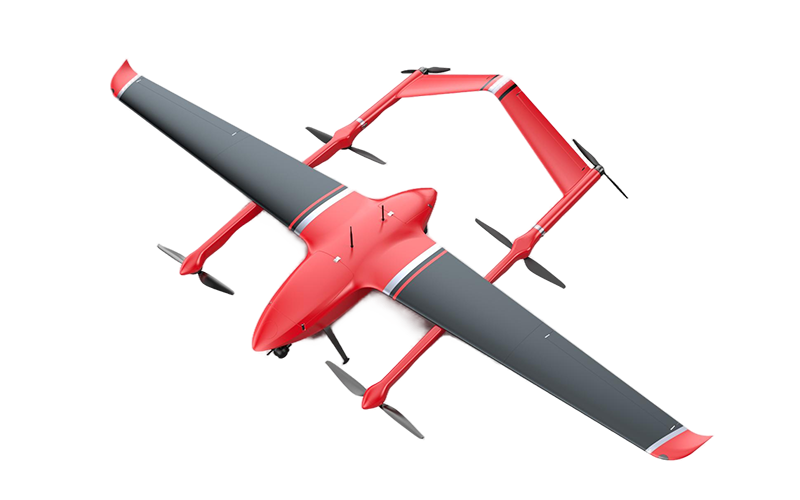 MMC
MMC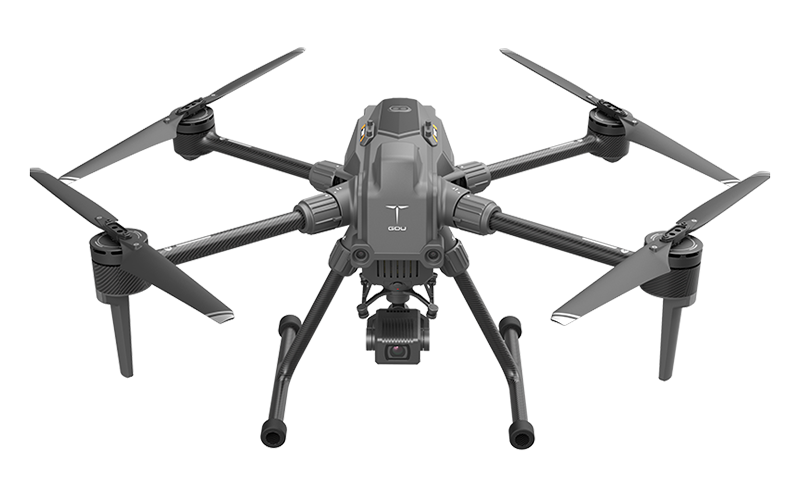 GDU
GDU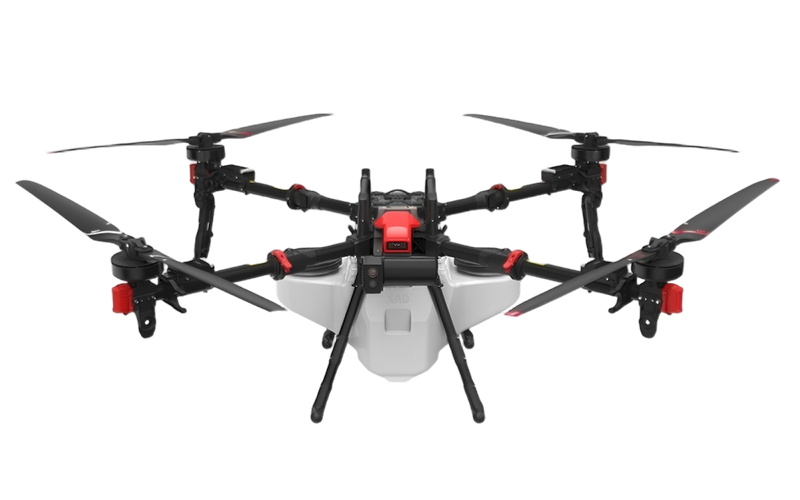 XAG
XAG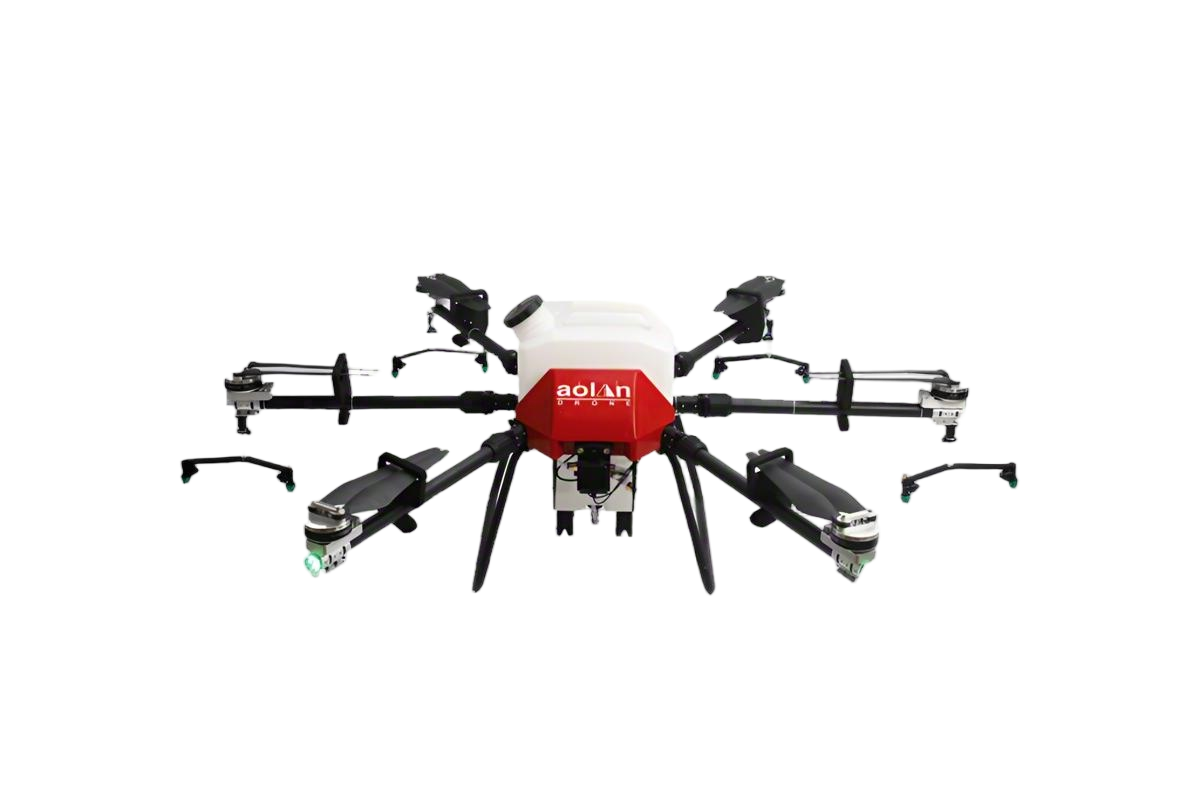 AOLAN
AOLAN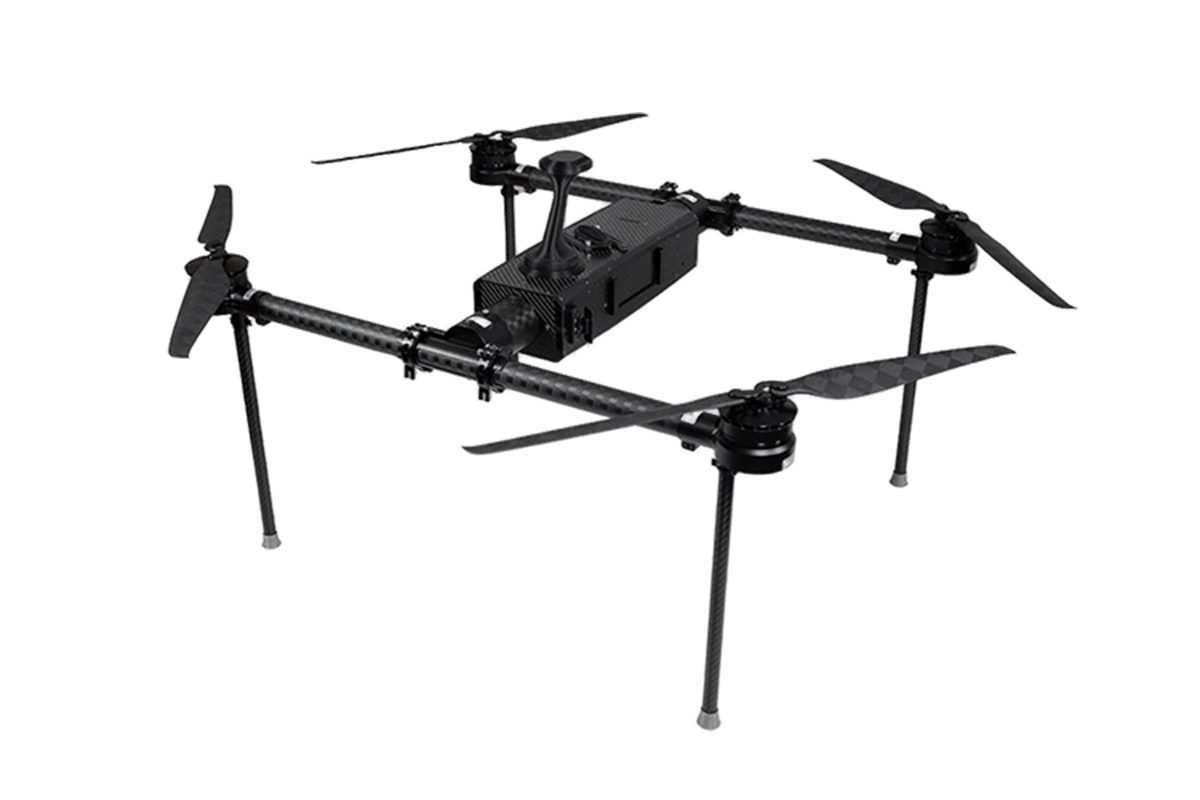 KEEL
KEEL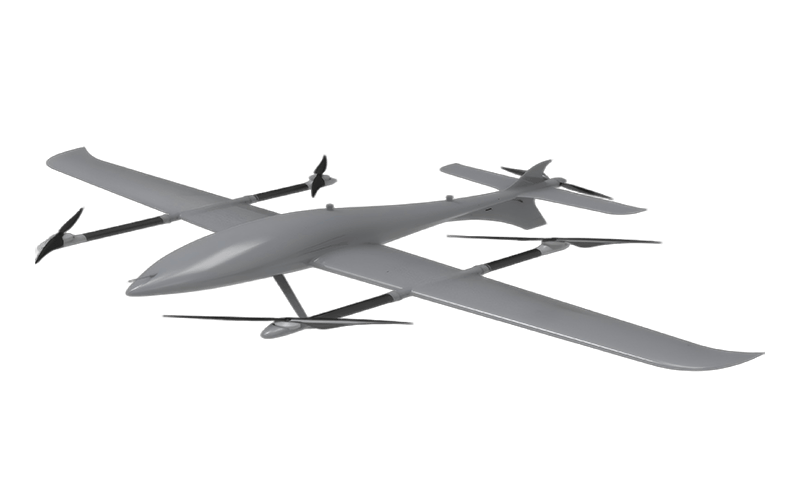 SKY NEXT
- DJI Matrice-4T
- DJI Matrice 4E Drone
- DJI Matrice 4TD
- DJI Matrice 30T
- DJI Mavic 3 Emterprise
- DJI Mavic 3M Multispectral Drone
- DJI RC 2 Plus Industry Plus
- DJI Matrice 4 Series Battery
- DJI Matrice 4D Series Batteries
- TB65 Intelligent Flight Battery
- TB100 Smart Flight Battery
- WB37 Battery
- DJI Accessories

You know, when you look at how farming is changing these days, 2026 is looking pretty exciting—especially with all the cool advancements in agricultural drones. I came across a report from MarketsandMarkets that says the global market for these drones could hit around $4.5 billion by then, growing at a pretty hefty rate of about 32% each year. That’s mainly because farmers are really starting to see the value in precision agriculture—using data to make smarter decisions and getting better yields.
John Deere, a big name in ag tech, mentioned something pretty interesting: “Agricultural drones are really shaking up traditional farming by making crop monitoring easier and helping farmers use their resources more efficiently.” You can’t deny—they have a lot of potential. But, at the same time, jumping into drone use isn’t just a ‘plug and play’ thing. Farmers really need to think about what their farm needs and what challenges they face before choosing the right tech.
Of course, there’s a lot of exciting opportunities here, but let’s be real—the rules and tech stuff can get pretty complicated. Not every drone is perfect for every farm task. As the industry grows and evolves, everyone involved will need to stay in the loop and keep learning. Getting on board with agricultural drones can seriously boost efficiency, but it also means you’ve gotta be ready to keep up with all the changes happening in this space.

Overview of Agricultural Drones Market in 2026
The agricultural drone market is projected to reach $9.5 billion by 2026, according to recent industry reports. This substantial growth reflects an increasing demand for precision agriculture solutions. Farmers are turning to drones for real-time data analytics and crop monitoring. These devices can cover large areas quickly, offering insights that enhance yield and reduce costs.
Despite these advancements, challenges remain. Many smallholders still lack access to the necessary technology or training. The digital divide could hinder the adoption of these innovations. Furthermore, regulations surrounding drone usage can vary significantly by region. Farmers must navigate these complexities to fully benefit from drone technology.
Additionally, the integration of Artificial Intelligence in drones is transforming farming practices. AI enables drones to analyze images and data more accurately. This leads to targeted treatments and resource allocation. However, the learning curve associated with AI can be steep. Proper support and education are crucial for successful implementation in diverse agricultural settings.
Enhancing Modern Farming: The Impact of the Professional Agricultural Drone AL4-22 on Precision Agriculture
In the rapidly evolving field of agriculture, the integration of advanced technology is transforming traditional farming practices. One notable advancement is the use of professional agricultural drones, such as the AL4-22, which significantly enhances precision agriculture. These drones are designed to deliver efficient, precise, and reliable crop spraying, allowing farmers to optimize their operations and improve crop yields with every flight.
The AL4-22 drone excels in precision agriculture by providing targeted sprays that minimize waste and ensure even distribution of nutrients and pesticides. This level of accuracy not only boosts farm productivity but also contributes to sustainable farming practices by reducing the environmental impact of chemical applications. Farmers can monitor their fields from a bird's-eye view, making informed decisions based on real-time data. This capability allows for a strategic approach to crop management, ultimately leading to healthier crops and increased profitability.
As modern farming faces challenges such as climate change and a growing global population, the role of technology like the AL4-22 drone becomes more critical. By embracing such innovations, farmers can adapt to changing conditions and meet the demands of the market. The enhanced efficiency and precision offered by agricultural drones are not just a trend; they represent the future of farming, where technology and tradition work hand in hand to cultivate success.

FAQS
: The agricultural drone market is expected to reach $9.5 billion by 2026.
Farmers use drones for real-time data analytics and effective crop monitoring.
Many smallholders lack access to the technology or training, creating a digital divide.
Training is essential, as many farmers feel unprepared to operate drones effectively.
AI enhances data analysis, allowing for precise decision-making and better resource allocation.
Yes, many farmers worry about the security of their sensitive information.
Drones aid in reducing environmental impact through precise pesticide application and monitoring.
Drones cannot replace traditional methods; they are tools to enhance farming practices.
Farmers often find it difficult to extract actionable insights from vast data.
Collaborating with data specialists and investing in software can enhance data management.
Conclusion
The article "2026 Best Agricultural Drones for Global Buyers Are You Ready?" offers a comprehensive overview of the agricultural drones market anticipated for 2026. It highlights key features that farmers should consider when selecting agricultural drones, such as advanced imaging capabilities, ease of use, and battery life. A comparative analysis of popular models is presented to help potential buyers discern the most suitable options for their farming needs.
Moreover, the article addresses regulatory considerations surrounding drone usage in agriculture, emphasizing the importance of compliance with local laws and safety standards. It also explores future trends that may shape the development of agricultural drones, including automation and precision farming techniques. Finally, practical guidelines for integrating drones into farming practices are provided, ensuring that farmers can maximize the benefits of this innovative technology effectively.
Related Posts
-

Top 5 Agricultural Drones for Modern Farming Success?
-

Top 10 Farming Drones in China for Global Buyers Guide?
-

How to Choose the Best Agricultural Drones for Your Farm?
-

How to Choose the Right Industrial UAVs for Your Business?
-

How to Choose the Best Agri Drones for Your Farming Needs?
-

Top Farm UAVs in China for Global Buyers to Consider?
